Donna McGinnis: On leading everyone’s garden
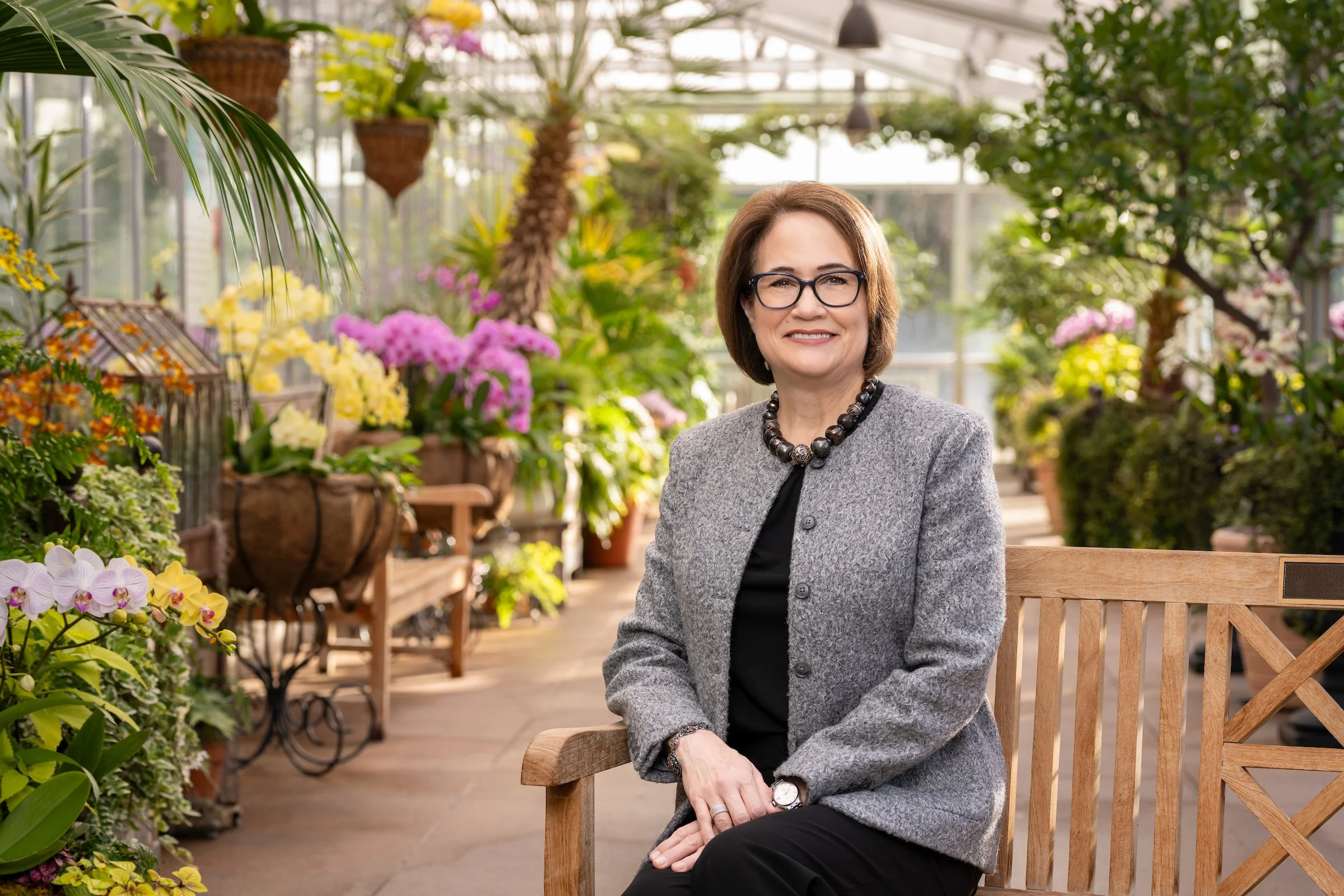
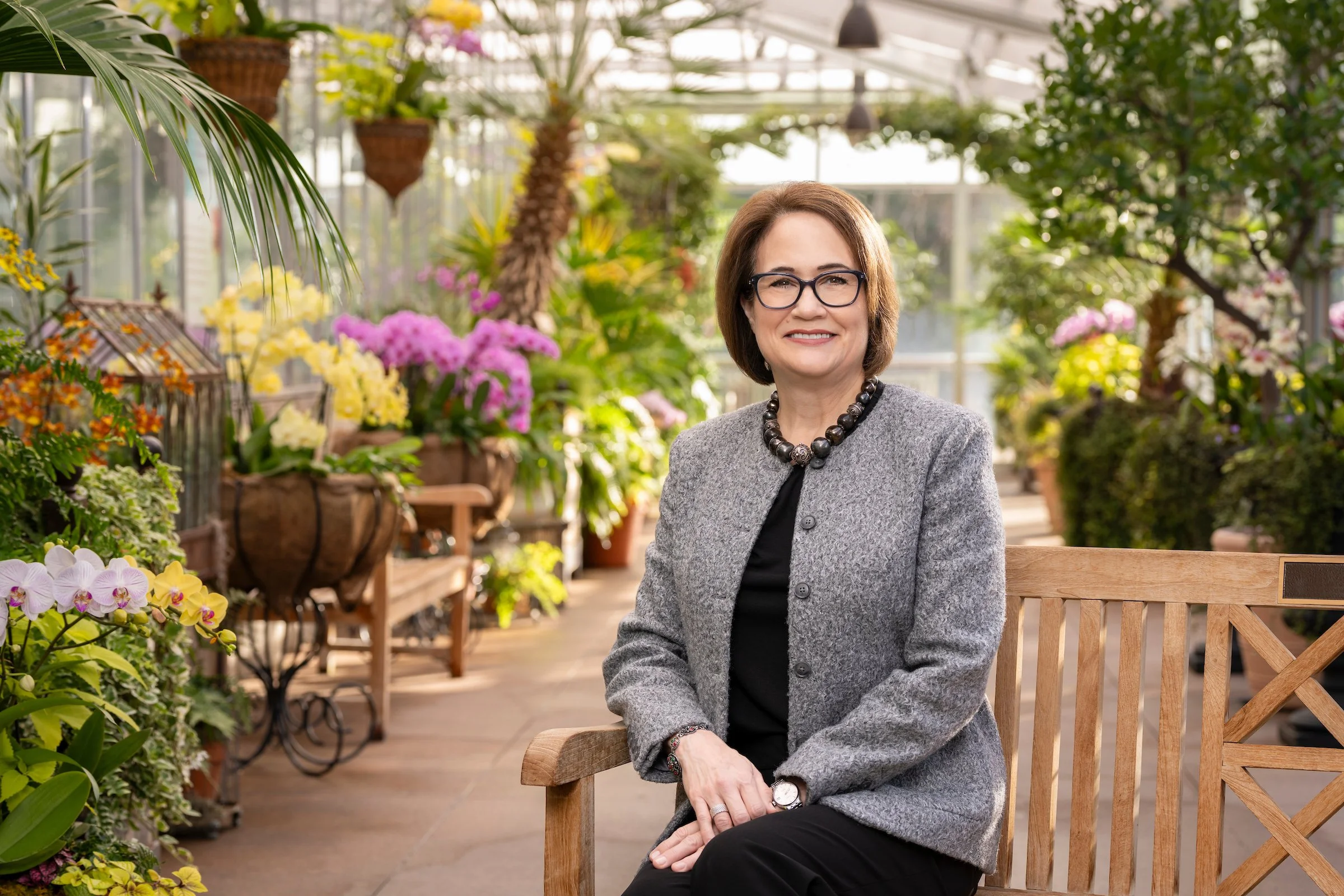
Denver Botanic Gardens CEO Donna McGinnis sits for a photo inside one of the park’s greenhouses
As many parts of the western United States face increasing drought conditions and shifting climates, places like Denver Botanic Gardens are helping residents understand how to adapt while preserving the beauty of the landscapes they love.
We spoke with Donna McGinnis, the new CEO of Denver Botanic Gardens, about conservation, community involvement, and the vital role of outdoor spaces for everyone.
Having led at some of the country's most respected botanical gardens, what attracted you to Denver Botanic Gardens? What opportunities do you see for its future role in Colorado communities?
Denver Botanic Gardens is incredibly well-known and highly respected within the botanical gardens community. In North America, we're second in annual attendance, but beyond that, we're known for being at the forefront of climate adaptation, conservation, and community engagement.
One of the things I admire most is how the Gardens takes science and puts it into action. Many gardens focus on discovery and research, which is important, but Denver is equally focused on applying that knowledge to real-world challenges. Whether it's supporting reforestation after wildfires, restoring landscapes impacted by mining, or helping communities adapt to a changing climate, we're working to create practical solutions.
We're committed to being everyone's garden. There is a genuine focus on building relationships with communities and creating meaningful ways for people to feel welcome.
Drought is very heavy on everyone's mind in Colorado and beyond this summer. What are the gardens doing around conservation?
Water conservation has been a focus of Denver Botanic Gardens for a very long time. It's really been at the heart of much of our horticulture and exhibit work, so it isn't something entirely new for us.
Yet, as Denver Water asks residents and organizations to reduce water use by 20%, we're making the same reduction ourselves. We're focused on demonstrating that you can still have a beautiful landscape and garden by making the right choices.
One of the biggest advantages we have today is the technology to closely monitor water use across both the Denver location and Chatfield Farms south of the city. We can track irrigation and water features almost hour by hour, allowing us to respond quickly and make adjustments.
In addition to providing resources to the public, we're working with municipalities, parks departments, and schools to help them make informed landscaping decisions and identify plants and grasses that better tolerate Colorado's conditions.
At Chatfield Farms, specifically, we're demonstrating many of these ideas in practice in our agricultural field watering. For example, our pumpkin fields use drip irrigation rather than overhead watering, which allows us to use significantly less water while still producing a successful crop, something that is vital to our fall programming. We're also studying how solar panels benefit farming methods by providing shade, reducing storm damage, and creating opportunities for water conservation by collecting morning dew.
What we're hearing from water experts is that this probably isn't a one-time adaptation. It's likely part of a longer-term shift, which means we need to continue researching solutions while helping people understand what those changes look like in their own lives.
What are some simple actions individuals can take at home or in their neighborhoods to make a meaningful difference?
One of the most effective things people can do is choose plants that are well-suited to Colorado's climate.
You do not have to abandon your garden or stop growing vegetables. In fact, having plants in the ground helps keep soil cooler, reduces erosion, and creates healthier landscapes. Trees can also have an outsized impact. They provide shade, help cool homes and neighborhoods, and contribute to long-term climate resilience. If you choose local plants and trees, they'll naturally require less water and still thrive.
For those looking for guidance, Denver Botanic Gardens offers resources, classes, and plant recommendations, including information about Plant Select, a collaboration between Denver Botanic Gardens, Colorado State University, and commercial growers that identifies plants proven to perform well in Colorado while using less water.
How do you ensure the Gardens remain welcoming and relevant to people from every background?
This is one of the things Denver Botanic Gardens is really known for, and it was one of the things that attracted me to the organization.
It starts with understanding who's here and who's not. We're always looking at who visits the Gardens and where there may be gaps—whether that's by age, geography, culture, or physical accessibility.
Then it's about understanding why. For some people, it may be the cost of admission, and we have discounts and free admission to help address that. But sometimes it's something less tangible, like a feeling that the Gardens aren't a place for them.
That's where relationship-building becomes so important. We spend time connecting with community organizations and opinion leaders to understand those barriers and work together on solutions.
That means making sure information is available in both English and Spanish, ensuring transportation is available, creating sensory-friendly experiences, and making sure our spaces are physically accessible and easy to navigate.
MFF invested in developing the Morgridge Curiosity Haven, an outdoor educational space at Chatfield Farms. What excites you most about the space, and what do you hope it will mean to visitors in the future?
The Morgridge Curiosity Haven will be a linchpin in our efforts to serve more people at Chatfield Farms.
When you think about school field trips, scout groups, homeschool programs, and summer camps, one of our biggest challenges has simply been having enough dedicated space to support all those experiences. The Morgridge Curiosity Haven will give us the flexibility to welcome more groups and serve more people.
The space will also support educational programming during events such as the Pumpkin Festival and Lavender Festival, providing a permanent place for people of all ages to gather, learn, and explore.
What excites me most is that it will allow us to magnify our impact. Whether it's a child visiting on a field trip, a family attending a festival, or an adult participating in a workshop, the Morgridge Curiosity Haven will help us create more opportunities for people to connect with nature, agriculture, and conservation in meaningful ways.
As someone new to Colorado, what has stood out to you most about the local community?
One thing that has really stood out to me since arriving in Denver is how collaborative the nonprofit community is. Leaders from organizations across sectors have been incredibly welcoming and eager to connect with me. That spirit of collaboration extends to the Denver Botanic Gardens and has helped strengthen partnerships across conservation, education, and community engagement.
Related Stories