Author and scholar Rebecca Chopp receives Alzheimer’s reprieve thanks to new research
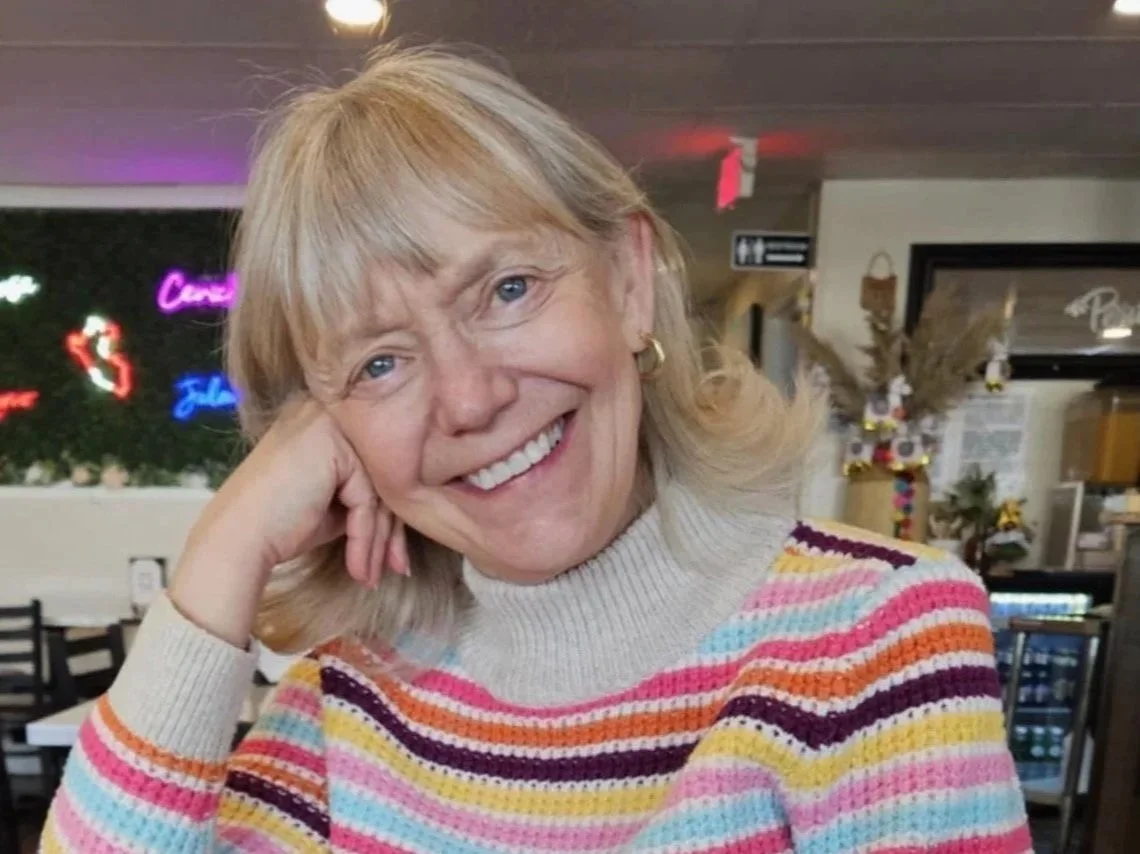
In 2019, Rebecca Chopp was diagnosed with a “complex neurological disorder” that was later determined to be Alzheimer’s disease. Today—thanks to medical advances and healthy lifestyle interventions—her life is much different from what doctors predicted. Rebecca’s story is nothing short of a miracle. We spoke to her about her life today.
After the release of Still Me: Accepting Alzheimer’s without Losing Yourself with MFF Publishing, you became a public advocate for early detection of Alzheimer's disease and for the healthy lifestyle interventions you described in the book, which became an instant best-seller. What were those years like for you?
By the time I was writing the book, my husband and I had fully accepted my diagnosis and created a path forward for ourselves. I had resigned from my job as chancellor of the University of Denver, and soon after, we sold our city condo. After moving to a rental community where memory care would be available when I needed it, we changed course and moved to a single-family home in a 55-plus community. It was surrounded by walking paths, and all the group activities were great fun. We even got a puppy. That first move turned out to be an overcorrection.
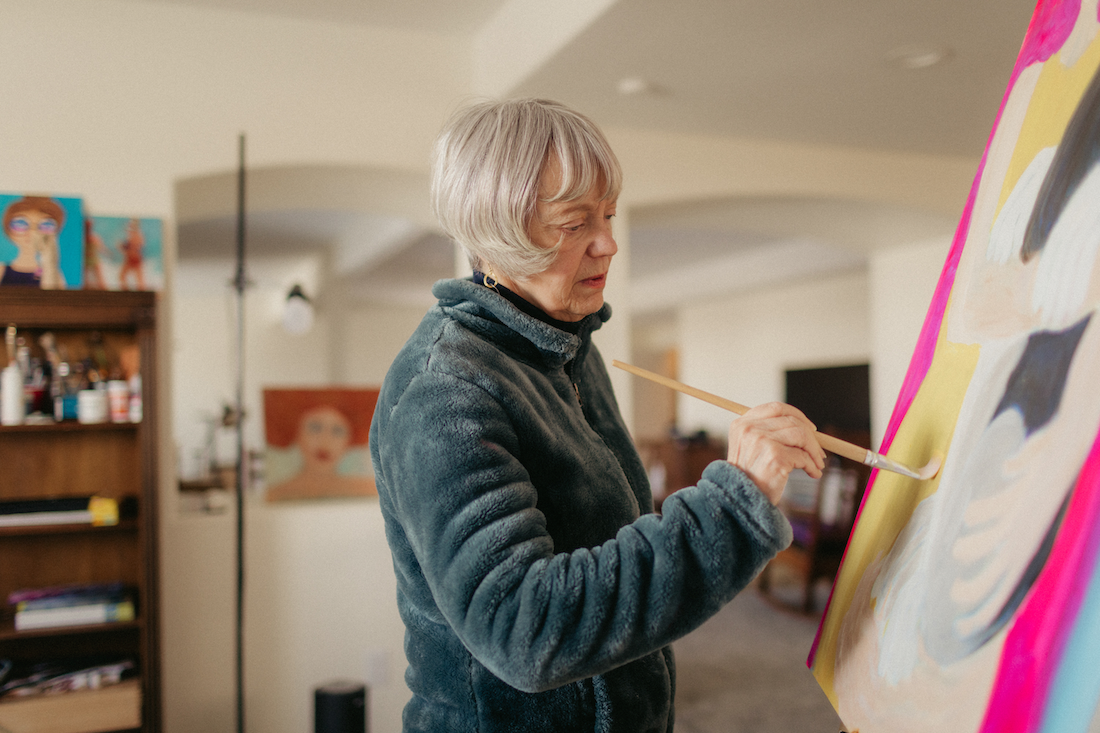
Like writing the book, my service in the Alzheimer’s community was not only rewarding, it kept my brain active. I was able to reduce my stress, eat well, sleep more, learn to paint, explore spirituality, and get plenty of exercise. I met incredible people who are living with the disease and researchers who are on the front lines.
After several years of rigorously practicing the brain-healthy lifestyle I described in my book, I began to notice that my symptoms were leveling off. And then, much to everyone’s surprise, I began to improve.
How has the landscape of Alzheimer's detection and treatment changed in the six years since you were diagnosed?
Now everyone advocates for early detection. We have a blood test that can detect amyloid plaque, which is the cause of memory loss. The FDA approved Leqembi, which can help slow down the progression of the disease when it's found early. And there have been all sorts of other advances that are desperately needed. Right now, 7.2 million people 65 and older in America are living with Alzheimer's, which is the most common form of dementia and is a leading cause of death in the United States.
What happened as you improved? That must have been quite a surprise!
My neurologists were surprised and very curious. They put me through a whole battery of tests over the course of nearly a year, and they concluded that even though my symptoms in the early years of my diagnosis had been “consistent with Alzheimer’s disease,” I actually did not have it. The final proof was that my blood tested negative for that amyloid plaque and the buildup of tau tangles. Most of the doctors and neuropsychologists stood by the early diagnosis, but they were also were quick to say that all my latest tests showed me to be in the “normal” range for someone my age.
No one knows what really happened in my case. I think the most likely explanation is that my symptoms of Alzheimer’s were caused by a combination of a childhood head trauma and the extreme, prolonged stress and schedule that my career required. I believe that my neurologists made the most responsible diagnosis they could with the tools and the science they had at the time. I also think my story underscores the importance of the advances that are being made in diagnosis and treatment.
That must have been quite a shock! How did you process such earth-shattering news, and what is your life like today?
Of course, we were stunned! Every decision we made—beginning with my retirement—was predicated on my diagnosis. Once the shock wore off, I was also incredibly relieved. I worried a bit that the new diagnosis would somehow negate my years as a public advocate, but I realized that by writing the book and sharing my experiences, I had helped a lot of people. The book never was intended to be a medical prescription, but many patients and caregivers told me I had helped them live with joy and dignity. The book continues to sell, and I continue to receive notes from people who found it helpful.
And we moved again! This time to our dream home near the Rocky Mountain National Park. I spend a lot of time hiking, and I have plenty of time for art. We’ve made great friends, and I’m pretty sure this will be our “forever home.”
Of course, you don't have a crystal ball, but what do you think the future holds for you now?
I don’t know. I’ve always been a mission-oriented person, and my new mission has not yet come to me. I’ll stay active with the Alzheimer’s and dementia community. I’ll continue to paint, hike, and volunteer in my community. And I’ll await what comes next!
I want to say a special thanks to the Morgridge Family Foundation. Working closely together, we have had—and continue to have—an impact on the lives of many people by reducing the stigma and helping people with Alzheimer’s believe that they can continue to live well.
Related Stories