Robin Wise: Equipping students with real-world financial skills
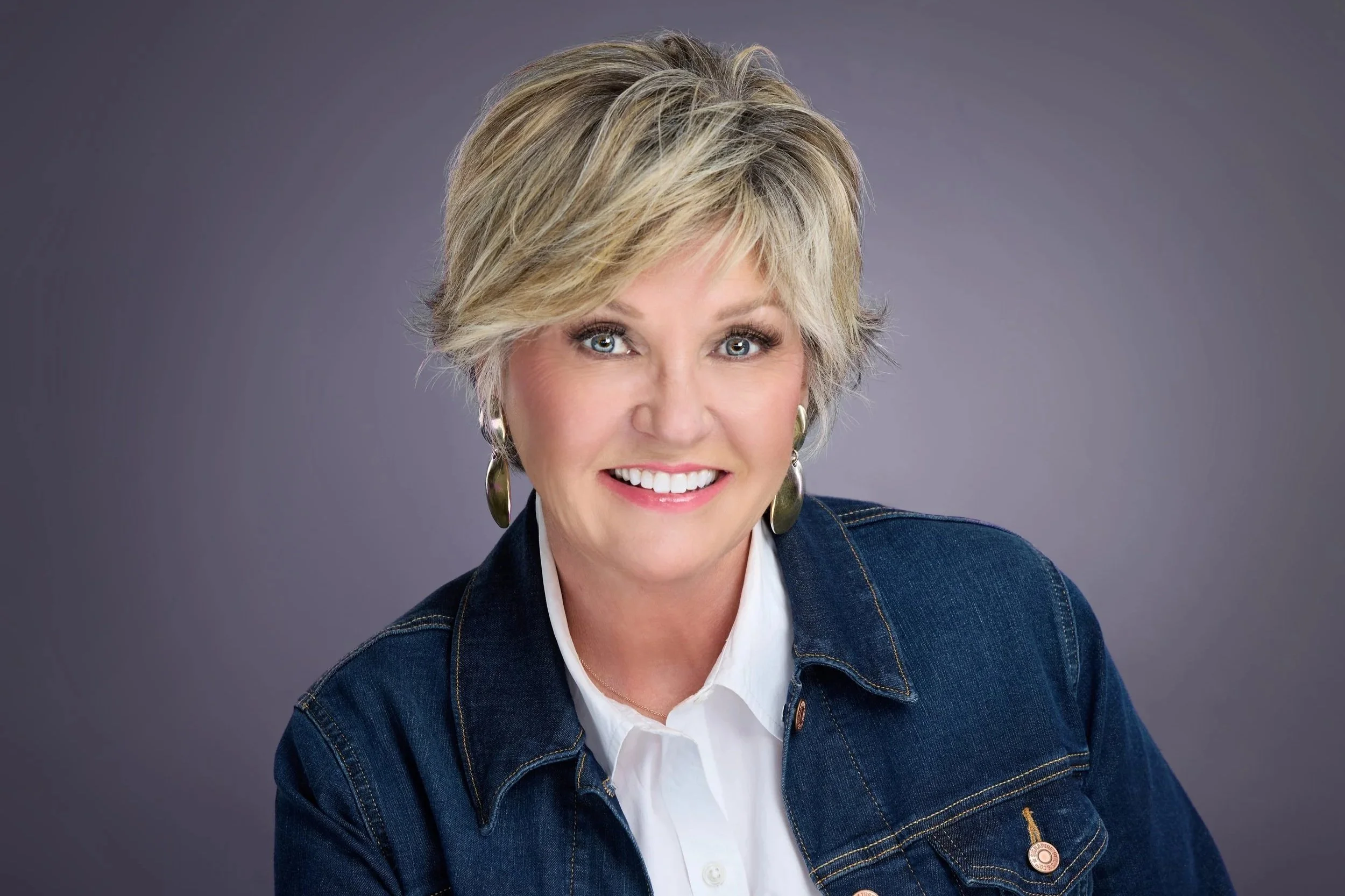
Robin Wise, President and CEO of Junior Achievement Rocky Mountain
Over nearly 35 years as president and CEO of Junior Achievement’s Rocky Mountain chapter, Robin Wise has watched both the economy and the financial decisions young people face become significantly more complex. But whether they’re earning pocket money from a part-time job, helping put food on the family table, or aspiring to invest in cryptocurrency, certain concepts are best learned early: how to budget and save, the importance of investing, and how early financial decisions will affect the rest of their lives.
In celebration of Financial Literacy Month, we checked in with Robin to learn more about how Junior Achievement Rocky Mountain equips students with real-world financial skills and why that is more important now than ever.
Why does financial literacy matter so much for students today?
Today’s students are growing up in an economy shaped by rapid technological advancement, shifting labor markets, and rising living costs. Automation and AI are redefining entire industries while creating new career pathways and making others obsolete. This means young people must be more adaptable and financially savvy to build stability throughout their adult lives.
As a society, we protect young people. They can’t rent a car, buy alcohol, or check into a hotel. Yet we expect these same young people to make some of the biggest financial decisions of their lives, like student loan debt, with almost no preparation. These decisions can shape their ability to buy a home, save for retirement, or handle financial setbacks.
What are the most critical financial skills students need before they graduate high school? How can they be taught?
Students need opportunities to practice financial decision-making in realistic scenarios that engage their interest. Through classroom learning and hands-on simulations at the JA Free Enterprise Center in Greenwood Village, Colorado, middle and high school students participate in age-appropriate simulations that let them map out career paths, estimate earning potential, compare the costs of renting vs. owning a home, and consider other expenses, such as taking public transportation vs. owning their own car. Through meetings with volunteer mentors, students clarify what they don’t understand. They build the skills and confidence they will need to navigate financial challenges and opportunities.
How do you reach students in rural areas, who might need these skills the most?
Youth in rural and outlying areas face barriers to quality education, including geographic isolation, limited transportation, and unreliable internet connectivity. These challenges often prevent these youth from participating in the same opportunities as their urban peers, limiting their pathways to post-secondary education and long-term economic stability.
Our two new mobile learning experiences hit the road this year, funded by the Morgridge Family Foundation, bringing JA Finance Park and JA Dream Accelerator to more communities across our region at no cost. The programs include teacher-led classroom curriculum and culminate with a visit to a mobile learning experience, where students engage with volunteers and put what they’ve learned into practice.
What role do schools play in teaching financial literacy?
With the passage of HB25-1192 last year, Colorado became one of 29 states to require financial literacy as a course for high school graduation. While the requirements can pose challenges for curriculum alignment, teacher training, and resources, JA-Rocky Mountain is uniquely positioned to help schools meet them.
What responsibility do business and community leaders have in ensuring meaningful outcomes for students?
Volunteers from business and industry serve as mentors, role models, and connectors to broader networks, giving students direct access to real careers and professional pathways. Through career simulations and immersive learning environments, students gain practical insight into workplace expectations. They develop confidence navigating professional settings. By effectively bringing the workplace into the classroom, students gain access to the relationships and information they need to drive economic mobility.
How do you know your programs are working?
Research shows that JA-Rocky Mountain’s approach gives students the tools to increase their chances of achieving economic security as adults. According to a report by Policy Link, high-quality academics, coupled with school-based financial education programs, is a key strategy in breaking the cycle of generational poverty.
Among Junior Achievement alumni ages 18-29, 68 percent say they are financially independent of their parents, compared to 34 percent nationally, according to Pew Research. According to the National Association of Realtors, the average age Americans purchase their first home is 33. Yet, on average, JA Alumni achieve that milestone at 29.
What is the impact of early financial education?
As the world becomes more complex, financial literacy has become one of the most powerful tools students can have to build confidence, resilience, and independence as they transition into adulthood. And when young people gain the tools to manage money and understand economic systems, the positive effects ripple outward to their families and communities.
Related Stories