
The 2027 MAP Fellowship
The Morgridge Acceleration Program (MAP) Fellowship is for rising professionals ready to step beyond their day-to-day work and take on something that matters. Selected MAP Fellows are entrusted with a real nonprofit challenge and spend six months working directly with an accomplished senior leader to move it forward. Through an 80-hour consulting project, one-on-one mentorship, dedicated funding, and access to a national network of peers and nonprofit leaders, fellows gain the experience, relationships, and visibility to expand their impact and accelerate what’s possible.
The Morgridge Family Foundation created MAP to invest simultaneously in rising professionals and nonprofit organizations, giving fellows access to meaningful leadership experiences while giving nonprofit leaders fresh perspective, strategic thinking, and dedicated capacity to move important work forward. Now in its seventh year, MAP has grown into a community of more than 130 fellow and mentor alumni whose relationships, learning, and impact extend well beyond the six-month fellowship.
Program Highlights

Kick-Off Event
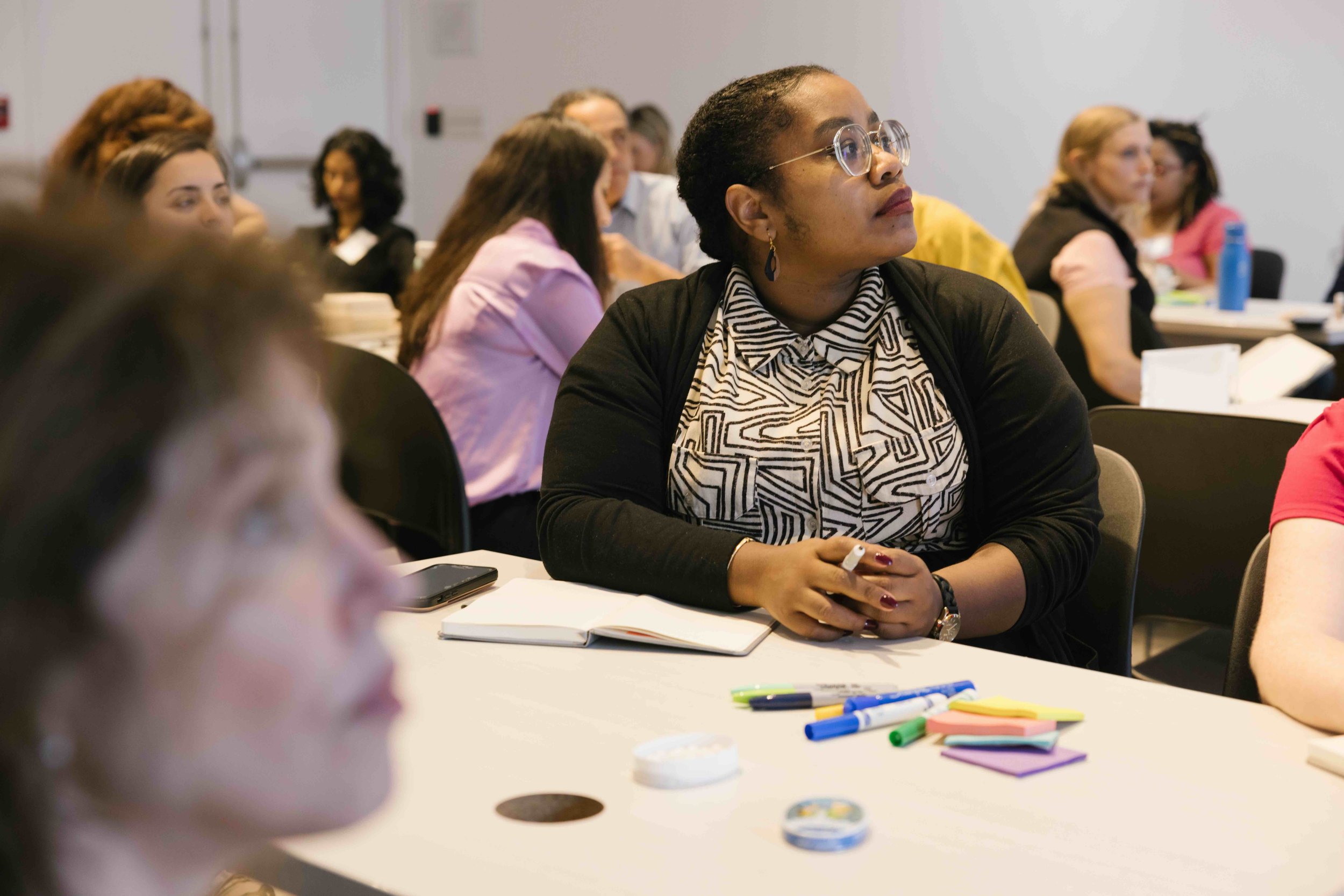
MAP begins March 2–5, 2027, in Winter Park, Florida, with a high-energy, in-person retreat. Facilitated by New Views, the four days create space for leadership development, relationship-building, collaboration, and turning each challenge into an actionable plan. MFF covers all transportation, lodging, and meals.
Challenge
Fellows take the lead on a real-world challenge identified by their mentor’s organization, dedicating approximately 80 hours to moving the work forward. Mentors serve as guides throughout the process, sharing expertise, making connections, and helping fellows navigate the work while leaving room to lead.

Funding
Each fellow receives $2,500 in professional development funding and $2,000 in site visit funding. The nonprofit organization also receives $3,200 in project advancement funding to support the fellow’s challenge. Together, these resources allow fellows to deepen their learning and advance the work.
Site Visit
Each fellow receives $2,000 to support a site visit to their mentor’s organization or another relevant off-site learning experience. The visit creates dedicated time to collaborate in person, better understand the nonprofit and its work, and gain firsthand exposure to their mentor’s leadership.

Virtual Elements
Fellows and mentors come together for four virtual conversations exploring timely, pressing topics that everyone can speak to. These sessions create space to exchange perspectives, surface questions, learn from one another, and tap into the collective experience of the cohort.

Culmination Event
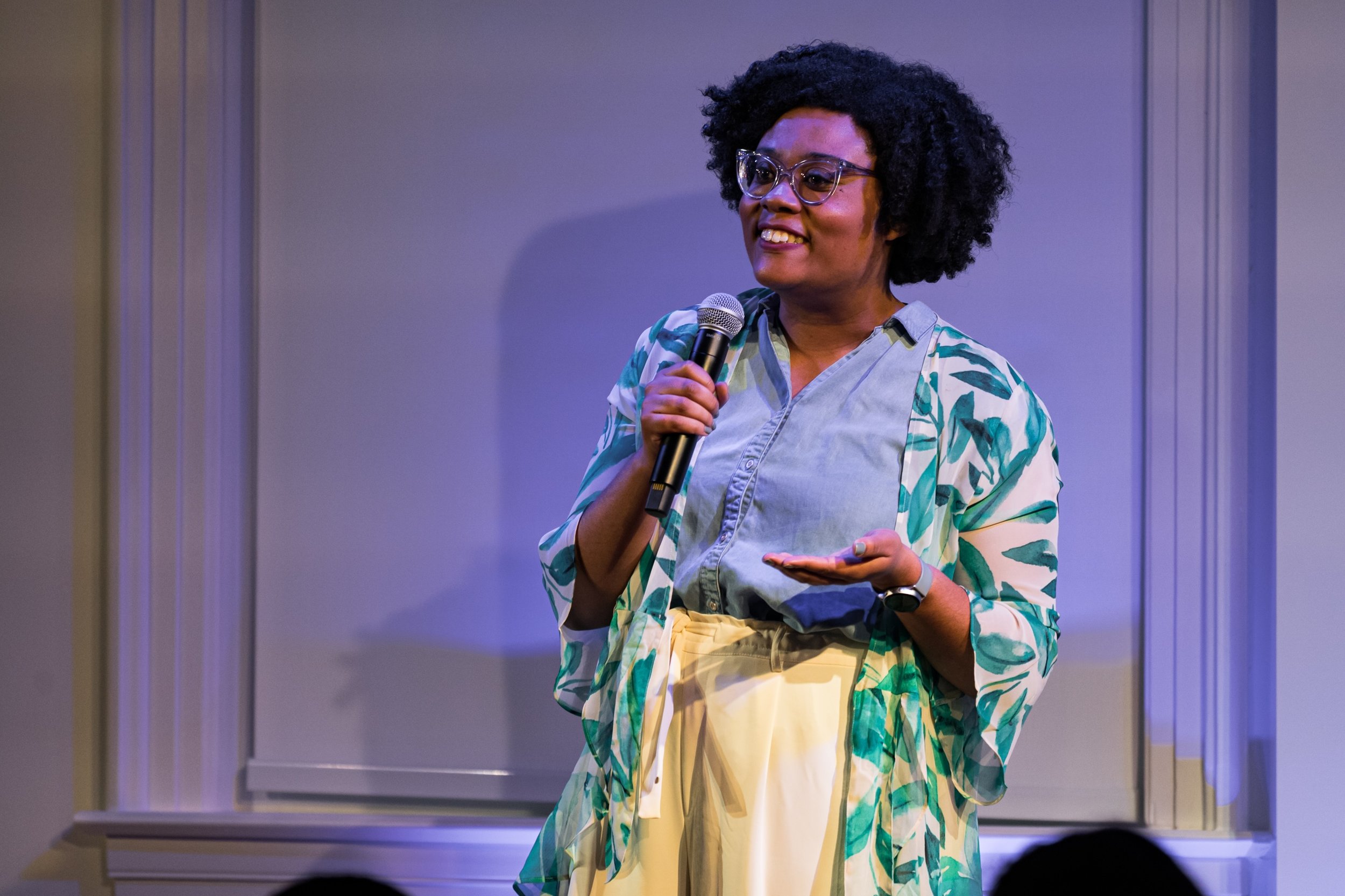
The Fellowship concludes in Washington, DC, August 30–September 1, 2027. Fellows give three-minute presentations and connect with a dynamic network of nonprofit leaders, alumni, peers, and community members, fostering new ideas, relationships, and continued impact.
Explore the Challenges
The MAP Challenge is the core of the fellowship: a six-month project where each fellow partners with a nonprofit leader to tackle a real organizational need. Every challenge is different. Some call for research and strategy, others for storytelling, program design, analysis, partnerships, or creative problem-solving.
You do not need to check every box to apply. The experience and expertise listed within each challenge describe skills that could be helpful—not a list of required qualifications. If a challenge excites you and you can see ways your perspective or experience could contribute, we encourage you to apply.
-
Challenge Statement: Help Brilliant Detroit build stronger ways of working together—internally and with partners—so its partnerships are clearer, more collaborative, and more impactful.
Mentor: Emma Laut brings experience in schools, urban gardens, and healthcare clinics, with a deep commitment to supporting whole families in vibrant community spaces. Since joining Brilliant Detroit in 2018, she has played a key role in the organization’s growth and previously led the Operations Department through significant systems changes. She now leads special initiatives and learning efforts that strengthen impact and organizational effectiveness. Her work aligns with Brilliant Detroit’s mission to advance literacy, health, and overall Kid Success for Detroit’s youngest residents.
-
Challenge Statement: Help CareerVillage build the AI usage policy, onboarding, and upskilling processes it needs as the team and technology continue to grow.
Mentor: Gurpreet Lally leads CareerVillage’s community strategy across learners, volunteers, partners, and field collaborators. Since joining in 2020, she has helped grow and steward the community supporting both CareerVillage’s Q&A platform and Coach, its AI-powered career navigation tool. She also supports responsible AI practices, including policy development, community engagement, and coalition-building through the AI for Career Development Coalition. Her prior experience includes youth development and volunteer leadership with the American Red Cross, and she holds a BA in Psychology from UCLA.
-
Challenge Statement: Help Clayton Early Learning design a practical approach to collaboration among campus partners and mission-aligned tenants so their work better supports children, families, and the surrounding community.
Mentor: Hannah Baer brings 15 years of experience in executive team support and organizational management, with a focus on creating strong staff and community experiences. Before Clayton, she led financial and administrative operations work at the Mental Health Center of Denver and supported clean-energy policy convenings with former Governor Bill Ritter’s team at Colorado State University’s Center for the New Energy Economy. As Clayton’s Chief of Staff, she oversees IT, facilities and operations, and leadership teams, with a focus on efficient systems that support family and community partnerships and holistic early childhood development. She holds a bachelor’s degree in health services administration from the University of Central Florida.
-
Challenge Statement: Design an original qualitative research method to capture the Colorado River Valley’s political and economic story and inform Community Builders’ regional effort to define a vision for the future.
Mentor: Erica Heller is Senior Director at Community Builders, where she helps communities identify strategies and implementation tools to thrive amid changing conditions. She brings more than 20 years of experience in community and economic development, with expertise in resilience, land use planning and codes, redevelopment, public financing, and community economic development. A certified planner, she focuses on helping communities translate ideas into practical, locally relevant solutions. Erica holds a bachelor’s degree in Political Science from Yale University and a master’s degree in Policy Sciences from the University of Colorado Boulder.
-
Challenge Statement: Translate insights from patients, caregivers, healthcare professionals, and community-based organizations into 1–2 clear, actionable, culturally responsive financial education materials that help people with cancer identify and address basic-needs challenges.
Mentor: Jackie Hess, MSW, is Senior Director of Programs at Family Reach, where she leads initiatives that remove financial barriers between cancer patients and treatment. A licensed social worker with more than a decade of nonprofit program development and management experience, she focuses on innovation, scalable impact, and programs centered on patient needs. She uses data, partnerships, and strategic planning to translate complex challenges into actionable solutions and strengthen outcomes. Her work is grounded in advancing health equity and making cancer care more accessible.
-
Challenge Statement: Investigate what is driving psychological safety at Merit America and recommend concrete actions to strengthen it by gathering qualitative input from high-priority employee groups as a trusted, neutral third party.
Mentor: Jamie Adasi is Director of Inclusive Excellence at Merit America, a national workforce development nonprofit creating pathways from low-wage jobs to family-sustaining careers. A Certified Diversity Executive (CDE®), she leads inclusion strategy connecting psychological safety, manager capability, affinity group health, and learner belonging to measurable outcomes. Her work combines an asset-based lens with scalable systems including competency frameworks, governance models, and actionable culture data, and her recognitions include the 2026 Noon AI Talent 100, 2024 OnCon Icon Global Top 10 in DEI, and COLOR Magazine’s Power 50 Top Chief Diversity Officers. She is also founder of Adasi Growth Consulting, LLC, helping organizations turn inclusion commitments into repeatable practices.
-
Challenge Statement: Develop a research-based marketing, outreach, and audience strategy to help Project Drawdown reach primarily U.S.-based adults who are interested in climate action but may not know where to start, and broaden the channels used to recruit participants into its six-week climate action training program.
Mentor: Matt Scott is Director of Storytelling & Engagement at Project Drawdown, where he leads climate-solutions storytelling and community engagement designed to help everyday people see themselves in climate action. He has hosted Drawdown’s Neighborhood and leads the organization’s community climate action training program. Previously, he led global community engagement for NASA’s Space Apps Challenge at SecondMuse, helping engage more than 100,000 people across 150+ countries, and his digital storytelling work has reached more than half a billion people. He has collaborated with organizations including NASA, the United Nations, USAID, Nike, Walmart, Pivotal Ventures, and the Obama White House.
-
Challenge Statement: Explore the impacts data centers have on communities and land use and how Trust for Public Land can play a role in mitigating those impacts.
Mentor: Dr. Jeff Danter is Trust for Public Land’s Chief Program Officer and oversees mission delivery across state and area programs, including land protection, urban parks development, and community-based conservation. He also oversees government relations work in policy, advocacy, and conservation finance, as well as the Center for Community Impact’s research, innovation, and thought leadership. Jeff joined Trust for Public Land in 2011 and has worked in conservation since 1994, after earlier work for an international electrical engineering company. He holds a BS in Chemical Engineering, an MBA, and a PhD in Ecological Management Communications from The Ohio State University.
-
Challenge Statement: Help VCP Longmont strengthen and evolve its outreach-focused Veteran Support Services model so Veterans receive the right level of support, from the right provider, at the right time—while maximizing staff capacity, community partnerships, and available resources.
Mentor: Jennifer Seybold is a nonprofit executive and consultant with more than a decade of experience addressing homelessness, housing instability, and complex community challenges. She has led organizations including Cold Weather Care and Denver VOICE through growth and change and has advised nonprofits on fundraising, programs, partnerships, systems, and sustainable growth. Since 2022, she has served as Executive Director of Veterans Community Project in Longmont, helping launch Colorado’s first VCP Village and overseeing local operations, Veteran services, fundraising, partnerships, and strategic growth. She holds a bachelor’s degree in Organizational Leadership with concentrations in Nonprofit Management and Small Business Entrepreneurship.
-
Challenge Statement: Help YPCCC identify the most effective pathways for scaling the Six Americas quiz and group scoring tool into a widely adopted platform that helps organizations and communities understand climate attitudes, address pluralistic ignorance, and accelerate climate engagement.
Mentor: Dr. Jono Anzalone is Managing Director of the Yale Program on Climate Change Communication at the Yale School of the Environment, helping lead strategy, operations, partnerships, and the translation of research into public engagement and action. Previously, he served as Executive Director of The Climate Initiative, a national nonprofit focused on empowering young people through climate education, advocacy, and community-based action. His career spans nonprofit leadership, higher education, organizational strategy, and climate communication, and he also teaches economics, accounting, leadership, and related subjects at several colleges and universities. He serves as Chair of the Sewall Foundation and focuses on strengthening the connections among research, communication, education, and community action.
-
Challenge Statement: Explore how Yellowstone Club Community Foundation can create volunteer and giving pathways that feel like genuine invitations for Yellowstone Club employees to build community—not another mandate from leadership.
Mentor: As Vice President of Philanthropy, Ciara Wolfe sets Yellowstone Club Community Foundation’s strategic vision and oversees its initiatives. She has more than 23 years of nonprofit experience and has led the Foundation since 2020, growing its annual impact from $1 million to $10 million and raising a $125 million endowment. Her career centers on building partnerships and scaling nonprofit organizations into healthy, sustainable institutions. She holds a B.S. in Earth Science from Montana State University, an M.S. in Not-for-Profit Management from Regis University, is a Certified Fundraising Executive, and holds a certification in Organizational Leadership.
Fellow Requirements
MAP Fellows are early- to mid-career professionals who are U.S.-based and ready to commit approximately 80 hours over six months to their nonprofit challenge, cohort experiences, and program requirements. Fellows are expected to participate fully in virtual sessions, travel for in-person gatherings, collaborate closely with their mentor organization, and bring curiosity, initiative, and follow-through to the work.
Frequently Asked Questions
-
Start by reviewing the 2027 MAP Challenges and identifying the opportunities that best align with your interests, experience, and the skills you want to build. Then complete the MAP Fellowship application. Selected applicants will advance to the finalist stage and interview with the nonprofit mentor before the final cohort is selected.
-
No. The experience and expertise listed within each challenge describe skills that could be helpful, not a checklist of required qualifications. If a challenge excites you and you believe your perspective, skills, or experience could contribute to the work, we encourage you to apply.
-
No. MAP is a six-month Fellowship designed to fit alongside your existing professional, academic, or personal commitments. Fellows contribute approximately 80 hours to their nonprofit challenge over the six months in addition to participating in required Fellowship experiences.
-
Yes. Full-time employment is not required to apply. MAP is designed for early- to mid-career professionals and can complement a range of professional, academic, and personal circumstances.
-
Fellows dedicate approximately 80 hours to their nonprofit challenge over six months. Fellows also participate in required virtual sessions, the in-person Kick-Off and Culmination, a site visit, and other Fellowship experiences outlined in the program requirements.
-
No. MAP is a national Fellowship, and fellows work remotely with their mentors throughout the six-month program. Fellows also receive $2,000 in site visit funding to create an opportunity for meaningful in-person learning and collaboration.
-
Yes. Applicants must be based in the United States for the duration of the Fellowship.
-
Yes. Graduate students may apply as long as they meet the Fellowship requirements and can fully commit to the challenge and required program experiences.
-
The Morgridge Family Foundation covers travel and lodging associated with the required Kick-Off and Culmination events. Fellows also receive $2,000 in site visit funding and $2,500 in professional development funding, and each participating nonprofit receives $3,200 to support project advancement.
-
Applications are reviewed for overall fit with MAP and the specific challenge. Selected candidates advance to the finalist stage and interview with the nonprofit mentor. Mentors and the MAP team then select the final cohort.
-
The Morgridge Family Foundation created MAP to invest simultaneously in rising professionals and nonprofit organizations. Fellows gain access to mentorship, meaningful leadership experiences, funding, and an extraordinary network while nonprofit leaders gain fresh perspective, strategic thinking, and dedicated capacity to move an important challenge forward.